Many B2B businesses launch a website expecting it to become a consistent source of enquiries. The logic seems simple: once the website is live, potential clients should be able to find it, learn about the services, and reach out.
However, the reality is often very different.
Despite having a professionally designed website, many companies receive little to no enquiries from their site. The problem is rarely that the website exists – the problem is how the website is structured and optimized for lead generation.
A successful B2B website should do more than present information. It should guide visitors through a clear journey that builds trust and encourages them to take action.
Below are some of the most common reasons why B2B websites struggle to generate leads.
1. Unclear Messaging
When a visitor lands on a website, they should immediately understand three things:
what the business does
who the service is for
what results clients can expect
Unfortunately, many websites use vague messaging such as “we help businesses grow” or “innovative digital solutions.”
While these statements may sound impressive, they fail to communicate a clear value proposition. Visitors should not have to guess what the company actually offers.
Clear and direct messaging helps potential clients quickly understand whether the service is relevant to their needs.
2. No Clear Call-to-Action
A surprising number of B2B websites do not clearly tell visitors what to do next.
After reading about a service, the visitor should be guided toward a specific action such as:
requesting a consultation
submitting a project enquiry
booking a discovery call
Without a clear call-to-action, visitors may simply leave the website without taking the next step.
Strategically placed call-to-action buttons throughout the website make it easier for potential clients to initiate contact.
3. Lack of Trust Signals
In B2B industries, trust plays a major role in decision making.
Before contacting a company, visitors often look for signals that demonstrate credibility and expertise. If these elements are missing, potential clients may hesitate to reach out.
Strong trust signals include:
client testimonials
case studies or results
portfolio examples
professional experience
industry insights or educational content
These elements help reassure visitors that they are dealing with someone who understands their challenges and can deliver results.
4. Poor Website Structure
Many websites are built like digital brochures rather than structured lead generation systems.
Visitors should be able to quickly navigate the website and find relevant information. If the layout is confusing or the navigation is cluttered, users may abandon the site before exploring further.
A well-structured B2B website typically includes:
a clear homepage that communicates the core value proposition
dedicated service pages
educational blog content
clear contact or enquiry options
When the website structure is intuitive and organized, visitors are more likely to stay longer and engage with the content.
5. Lack of Search Visibility
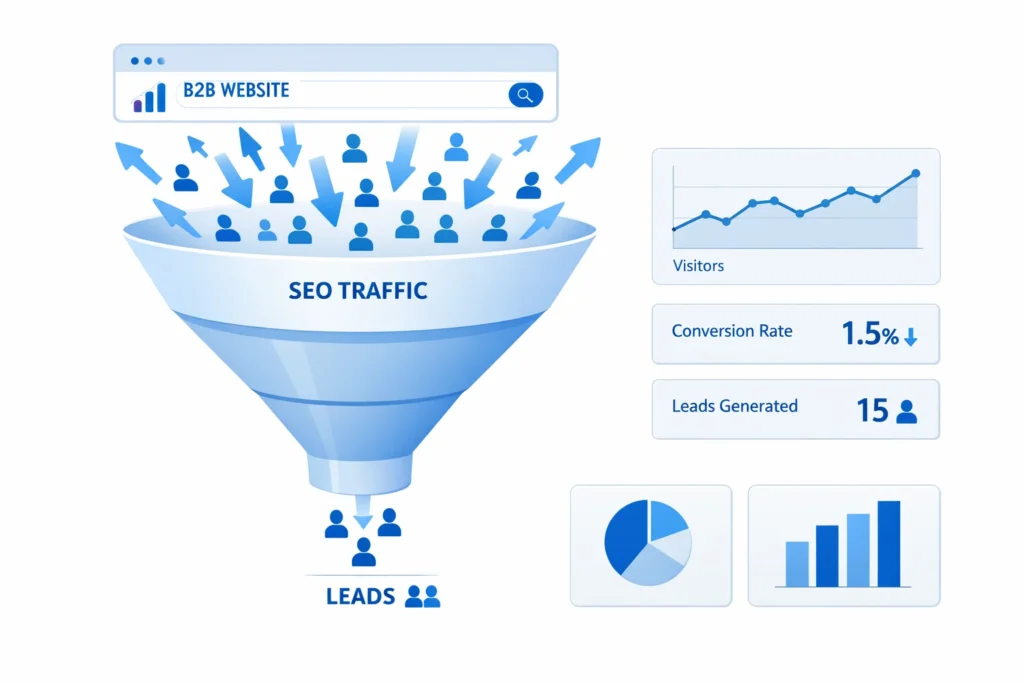
Even the best website cannot generate leads if potential clients cannot find it.
Many B2B websites struggle with lead generation simply because they receive very little traffic from search engines.
This often happens when websites lack:
search-optimized content
targeted service pages
internal linking
technical SEO foundations
Publishing helpful content that answers common industry questions can significantly improve search visibility and attract relevant visitors over time.
6. Technical Issues That Hurt Performance
Technical performance also plays a role in how effectively a website generates leads.
Slow loading pages, poor mobile optimization, and broken layouts can negatively affect both user experience and search engine rankings.
As a WordPress developer and digital marketing specialist, I often see websites that look good visually but are not optimized for performance or search visibility.
Improving technical aspects such as site speed, mobile responsiveness, and page structure can make a noticeable difference in engagement and conversions.
The Key Takeaway
A B2B website should function as more than just an online presence. When properly structured, it becomes a powerful tool that attracts qualified visitors and converts them into potential clients.
By improving messaging, strengthening credibility, optimizing technical performance, and implementing clear lead capture systems, businesses can transform their website into a consistent source of enquiries.
How to Turn a B2B Website Into a Lead Generation System
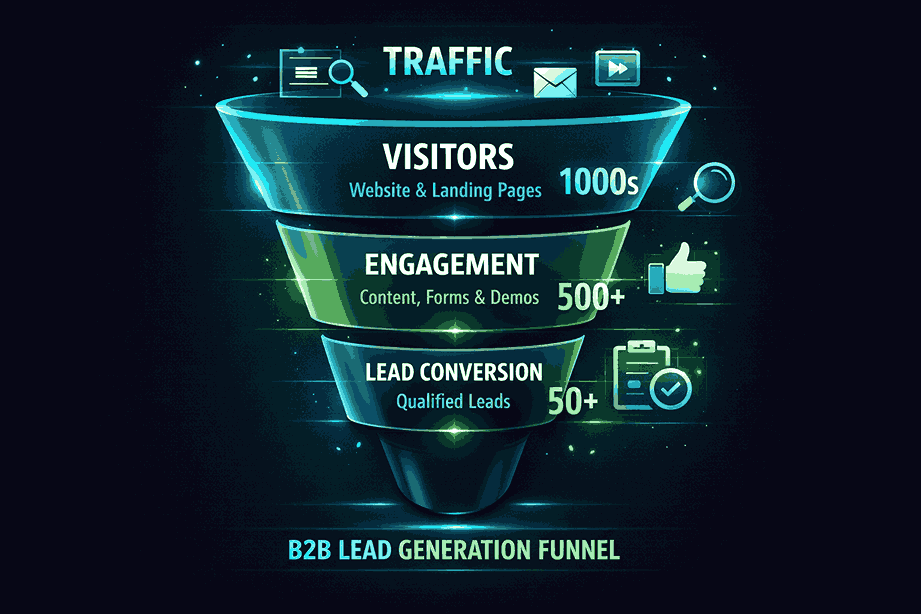
A website that generates leads consistently is rarely built by accident. It requires a clear strategy that focuses on attracting the right visitors and guiding them toward becoming enquiries.
Businesses that successfully generate leads from their websites usually implement several key elements.
Clear Positioning
The website must immediately communicate who the service is for and what problem it solves.
Visitors should understand within a few seconds whether the website is relevant to their needs. Clear positioning reduces confusion and keeps potential clients engaged.
SEO-Focused Service Pages
Many websites only describe services briefly. However, detailed service pages optimized for search engines can attract visitors who are actively looking for solutions.
These pages should clearly explain:
what the service includes
who it is designed for
the results clients can expect
Search-optimized service pages can bring highly targeted visitors over time.

Content That Answers Real Questions
Educational content helps attract visitors who are researching solutions.
Blog posts that answer questions such as:
why websites fail to generate leads
how to improve website conversions
how to attract clients online
can help position a business as a trusted expert while also improving search visibility.
Simple Lead Capture
A website should make it easy for visitors to contact you.
Clear options such as contact forms, enquiry buttons, or consultation requests make it easier for interested visitors to take the next step.
When contacting a business is simple and frictionless, the chances of generating enquiries increase significantly.
Turning Your Website Into a Client Acquisition Channel
If your website is not generating enquiries, the issue is often related to messaging, structure, or search visibility rather than design alone.
With the right improvements, a website can become one of the most reliable sources of new business opportunities.
As a WordPress developer and digital marketing specialist, I work with businesses to build and optimize websites designed not just to look professional, but to generate qualified leads consistently.
If you’re looking to improve your website’s ability to attract and convert potential clients, you can explore my services or reach out through tjsakthi.com.
Frequently Asked Questions
Most B2B websites fail to generate leads because they lack clear messaging, search visibility, trust signals, and effective lead capture systems. Without these elements, visitors may leave the site without taking action.
A B2B website can generate more enquiries by improving positioning, publishing helpful content, optimizing service pages for search engines, and making it easy for visitors to contact the business.
For new websites, it can take several months to build search visibility and authority. However, consistent SEO, content creation, and strategic improvements can gradually increase traffic and enquiries.